
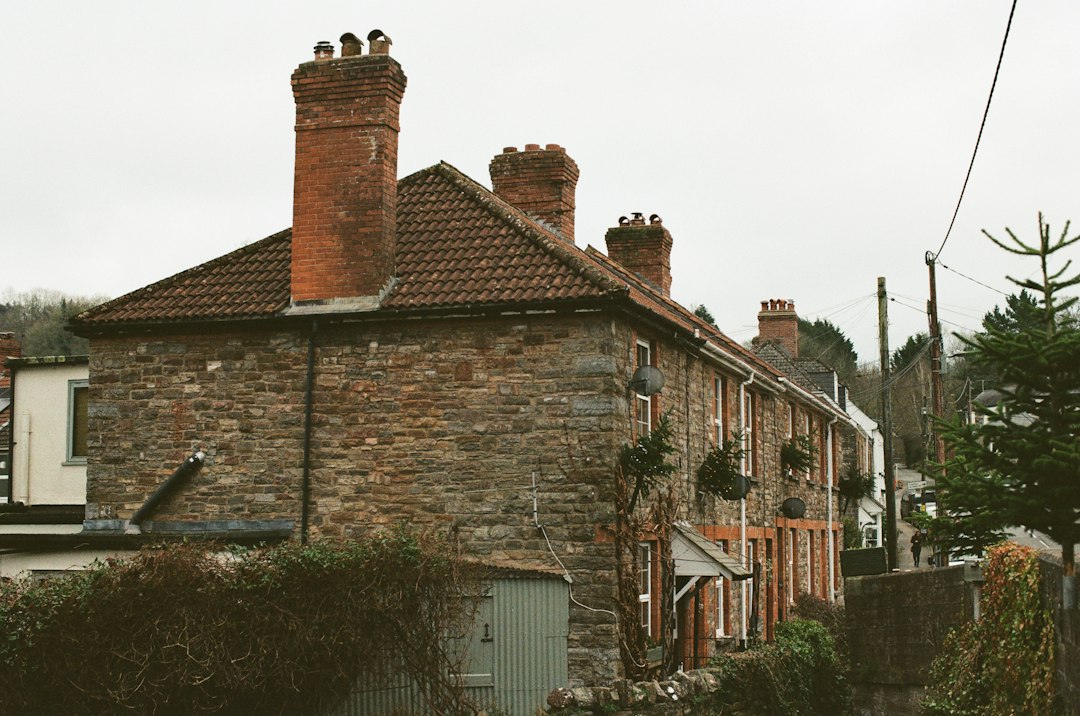
Brace the Chimney Before the Ground Picks the Date
Plan Your Chimney Seismic Retrofit
Tell us the address, the fireplace type and roughly when you would like chimney seismic retrofit done. We confirm a date in that window.
What This Booking Covers
Brick chimneys are among the first things to fall when the ground shakes, as the 1994 quake showed across the region. A retrofit can mean steel bracing anchored into the roof structure, or swapping the top of an old stack for a metal flue system that weighs far less. We look at the chimney from roof and attic, explain the options in plain terms, and price the work in writing. Dry-season scheduling keeps the roof open for the shortest time.
Why the San Gabriel Valley Should Not Wait for a Shake
Most brick chimneys in El Monte, Monrovia and Sierra Madre were built without steel inside them. Brick and mortar are strong when pressed but weak when bent, and a quake bends a chimney hard, mostly at the roofline, where the stiff stack above meets a wood house that flexes below. That is where they break. Every strong local quake in living memory, from Whittier Narrows to the 1994 quake, has left fallen and cracked chimneys on these streets, some through roofs and some onto driveways. A chimney that came through those intact is not proof it will survive the next one, since mortar has kept aging ever since. The calendar argument is simple. After a strong quake, every crew and every supplier is busy at once, and a damaged chimney may sit wrapped in tarp for weeks. Before it, the work can be planned for a dry month, at your pace, with the fireplace still in use.
The visit starts with a Level 2 inspection if the chimney has not had one, since a retrofit should not be bolted onto a stack that is already cracked inside. From there we look at how tall the chimney stands above the roof, how sound the brick and mortar are, how the chimney sits against the house, and what framing is close enough to anchor to. Those answers decide which approaches can work. Every option is written up separately in the quote with the materials and the work it involves, so you can compare a lighter job with a bigger one side by side. We do not promise how any chimney will behave in a quake, and we do not tie the price to any program or rebate. The aim is a chimney that is less likely to come down, and a clear sense of what each choice changes.
Bracing, Straps and a Lighter Top: The Options Compared
Retrofits come in a few families, and the chimney itself narrows the choice. Roof bracing adds a steel brace or frame from the upper part of the stack down to the roof structure, so the part most likely to snap has something to lean on. It suits a sound chimney that stands tall above the roof. Straps anchor the chimney to the house itself, as flat steel wraps the stack and bolts into joists and studs at several heights, so the stack and the house move together rather than apart. It suits a chimney on an outside wall with framing within reach. The third approach changes the chimney above the roof. The brick that would fall is taken down and replaced with a framed and clad top, or a lighter reinforced rebuild, with a metal flue inside it. That removes the heaviest and most exposed weight altogether.
Each family has trade-offs. Bracing is usually the least disruptive and keeps the look of the house, but it does nothing for loose brick and adds a visible frame on the roof. Straps work well where the framing is right, but they need access to the outside wall and sometimes the attic. Replacing the top costs more and changes the look, but it takes away the part that fails first. Many owners combine a smaller fix with other chimney work already planned, such as repointing or a new crown in the same summer, to share the cost of the roof work. Booking in spring or early summer gives time to compare options, settle on one and have the work done before the rainy season. When the quake does come, you want the chimney braced months ago, not on a waiting list.
The Hackett Chimney Contractors Way of Booking
Timed to the Season
Each job goes in the month that suits the weather and your use
Covered Floors
Drop cloths from the door to the hearth on every visit
Price on Paper
Every figure is written down before anything is booked
Next Visit Noted
The report ends with the month we suggest coming back
Where we book chimney seismic retrofit
Our four core cities carry their own page for this service, covering the homes, the weather and the months that suit the work there.
This one is booked from the main service page. The city list shows every place we cover.
More Services
Chimney Sweep
A yearly flue cleaning, ideally booked in late summer, that removes last winter's soot and creosote before the first fire of fall.
When to book it →Chimney Inspection
A seasonal check of the flue, damper, crown and cap before the burn months, so any repair is planned rather than rushed.
When to book it →Chimney Repair
Repairs to brick, mortar, crown and flue, scheduled for the dry months so the work cures before rain and fires return.
When to book it →Fireplace Inspection
After the summer break we check the hearth, the damper and the firebox walls, so rust and cracked brick turn up before the first fire.
When to book it →Fireplace Repair
Firebox, damper and hearth repairs planned in the weeks before the holidays, when most households want the fireplace working.
When to book it →Chimney Level 2 Inspection
A video scan of the whole flue plus attic and roof checks, booked for a sale, a quake, a chimney fire or a new appliance.
When to book it →Chimney Cap Installation
A cap and spark screen fitted before the rain and wind months, keeping water, animals and embers out of the flue.
When to book it →Chimney Flashing Repair
Resealing the roof-to-chimney joint in late summer, so the first heavy storm of the year finds nothing to leak through.
When to book it →Chimney Masonry Repair
Brick and mortar work booked between spring and early fall, out of the rain, so repairs cure fully before burn season.
When to book it →Chimney Rebuilds
Partial or full rebuilds planned in spring, with permits and dry weather on your side, so the chimney is ready by fall.
When to book it →Fireplace Cleaning
A firebox cleanout at the end of winter or the start of fall, clearing ash, soot and smell from the hearth.
When to book it →Gas Fireplace Cleaning
An early-fall cleaning for gas units that sat through summer, clearing dust from the burner and film from the glass.
When to book it →Gas Fireplace Repair
Diagnosing and fixing gas units before the first cold week, so parts have time to arrive while the fireplace is not needed.
When to book it →Fireplace Remodel
Surround, hearth and mantel projects started in spring, giving months for design and finish work before the fireplace is needed.
When to book it →Fireplace Inserts
An insert planned and fitted in summer, turning an open fireplace into a sealed heater before the cold months arrive.
When to book it →Pellet Stove Repair
Off-season repairs for pellet stoves after a winter of hard use, so the stove starts the next cold week without a fault.
When to book it →Wood Stove Repair
Spring and summer repairs for wood stoves, renewing seals and worn interior parts after a full season of loads.
When to book it →Gas Logs
A gas log set chosen and fitted in late summer, ready for the holidays when a fireplace sees the most use.
When to book it →Chimney Crown Repair
Sealing or recasting the cap of mortar on top of the chimney before winter rain gets into the brick below.
When to book it →Dryer Vent Cleaning
A yearly cleanout of the dryer duct, from the machine to the outside hood, that clears lint and shortens drying times.
When to book it →Chimney Liner Installation
A new stainless liner fitted in the off-season when the old flue is cracked or a new appliance needs its own vent.
When to book it →Chimney Leak Repair
Finding and fixing the source of water at the chimney, ideally in the dry months before the next storm proves it.
When to book it →Chimney Waterproofing
A breathable water repellent applied to sound brick in dry weather, cutting the water the chimney soaks up each winter.
When to book it →Chimney Damper Repair
Fixing or replacing a damper before the season so it opens fully for a fire and seals tight through summer.
When to book it →Chimney Chase Cover
Replacing the rusted pan on top of a framed chimney before winter, so water stops running into the chase.
When to book it →