
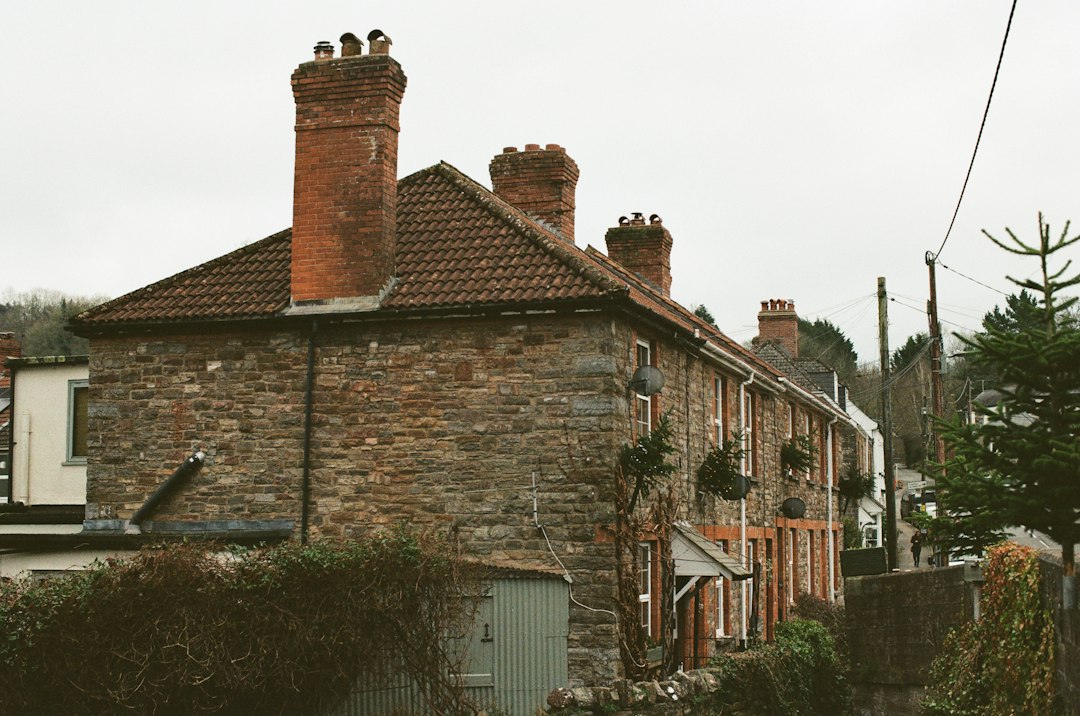
Treat the Brick While It Is Bone Dry
Plan Your Chimney Waterproofing
Tell us the address, the fireplace type and roughly when you would like chimney waterproofing done. We confirm a date in that window.
What This Booking Covers
Brick drinks water. Through a wet winter that moisture breaks down mortar and stains the inside of the house. A breathable repellent, brushed or sprayed on dry brick, keeps rain out while letting the masonry dry. It goes on only after any repairs, and only after a run of dry days, so late summer is the window. We price it in writing after looking at the brick and the size of the stack.
Why Late Summer Is the Only Good Window
Waterproofing a chimney is a timing job more than anything. The treatment works by being drawn into the pores of the masonry, and it can only go where water is not already sitting. Applied to damp masonry, it traps the water inside or fails to take, and the money is wasted. In the San Gabriel Valley the brick is at its driest at the end of a long summer, in August and September, after months without rain. That is when we apply it. Any repairs need to be done first and cured: new mortar, a new crown or replaced bricks have to sit for a few weeks before they can be treated. So a chimney that needs repointing in June can be treated in August, and goes into the rainy season with sound joints and a water repellent face, ready for whatever the winter storms bring.
The product matters as much as the timing. Masonry has to be able to dry out from inside, because some moisture always gets in from the flue side and from the house. A treatment that seals the surface like paint or a film blocks that drying, and the trapped moisture flakes the brick faces off within a few winters. We use only clear, vapor-permeable repellents made for chimney masonry, which leave the pores open for vapor going out but make rain bead up on the way in. They do not hide cracks, fill open joints or stop a leak from flashing or a crown. Those need repair first. Its job is narrower: slowing the steady soaking of old brick, which is what loosens joints and stains ceilings over many winters. The price comes as part of a written quote, alone or with other masonry work.
Which Chimneys Benefit, and When to Do It Again
Not every chimney needs waterproofing. Newer chimneys with hard brick, tight mortar and a good crown often shed water well on their own. Older chimneys are another matter. Soft brick on the older homes of Sierra Madre and Monrovia absorbs water readily, and so does mortar that has worn back from the face. Chimneys that face the prevailing storms, or that stand tall above a two story roof in West Covina, take more rain than one tucked against a single story wall in El Monte. The signs that a chimney would benefit are white powder on the brick, flaking faces, damp patches inside after storms with no clear source, and moss or dark staining on one side. A Level 1 inspection in spring can tell you whether yours is a candidate.
A treatment does not last forever, and the calendar should bring it back up. Repellents lose strength over the years with sun and weather, and how fast depends on the product and the exposure. The simplest test is water: during a later inspection, a little water sprayed on the brick should bead and run off rather than darkening the face. When it starts to soak in again, the next late summer is the time to reapply. Waterproofing pairs naturally with other late summer work on the chimney, such as a new cap before the Santa Ana winds or crown sealing before the rain, so one roof visit handles several jobs. The written quote lists each part, so you can choose which to do this year and which can wait for another dry August.
The Hackett Chimney Contractors Way of Booking
Timed to the Season
Each job goes in the month that suits the weather and your use
Covered Floors
Drop cloths from the door to the hearth on every visit
Price on Paper
Every figure is written down before anything is booked
Next Visit Noted
The report ends with the month we suggest coming back
Where we book chimney waterproofing
Our four core cities carry their own page for this service, covering the homes, the weather and the months that suit the work there.
This one is booked from the main service page. The city list shows every place we cover.
More Services
Chimney Sweep
A yearly flue cleaning, ideally booked in late summer, that removes last winter's soot and creosote before the first fire of fall.
When to book it →Chimney Inspection
A seasonal check of the flue, damper, crown and cap before the burn months, so any repair is planned rather than rushed.
When to book it →Chimney Repair
Repairs to brick, mortar, crown and flue, scheduled for the dry months so the work cures before rain and fires return.
When to book it →Fireplace Inspection
After the summer break we check the hearth, the damper and the firebox walls, so rust and cracked brick turn up before the first fire.
When to book it →Fireplace Repair
Firebox, damper and hearth repairs planned in the weeks before the holidays, when most households want the fireplace working.
When to book it →Chimney Level 2 Inspection
A video scan of the whole flue plus attic and roof checks, booked for a sale, a quake, a chimney fire or a new appliance.
When to book it →Chimney Cap Installation
A cap and spark screen fitted before the rain and wind months, keeping water, animals and embers out of the flue.
When to book it →Chimney Flashing Repair
Resealing the roof-to-chimney joint in late summer, so the first heavy storm of the year finds nothing to leak through.
When to book it →Chimney Masonry Repair
Brick and mortar work booked between spring and early fall, out of the rain, so repairs cure fully before burn season.
When to book it →Chimney Rebuilds
Partial or full rebuilds planned in spring, with permits and dry weather on your side, so the chimney is ready by fall.
When to book it →Fireplace Cleaning
A firebox cleanout at the end of winter or the start of fall, clearing ash, soot and smell from the hearth.
When to book it →Gas Fireplace Cleaning
An early-fall cleaning for gas units that sat through summer, clearing dust from the burner and film from the glass.
When to book it →Gas Fireplace Repair
Diagnosing and fixing gas units before the first cold week, so parts have time to arrive while the fireplace is not needed.
When to book it →Fireplace Remodel
Surround, hearth and mantel projects started in spring, giving months for design and finish work before the fireplace is needed.
When to book it →Fireplace Inserts
An insert planned and fitted in summer, turning an open fireplace into a sealed heater before the cold months arrive.
When to book it →Pellet Stove Repair
Off-season repairs for pellet stoves after a winter of hard use, so the stove starts the next cold week without a fault.
When to book it →Wood Stove Repair
Spring and summer repairs for wood stoves, renewing seals and worn interior parts after a full season of loads.
When to book it →Gas Logs
A gas log set chosen and fitted in late summer, ready for the holidays when a fireplace sees the most use.
When to book it →Chimney Seismic Retrofit
Bracing or rebuilding a brick chimney so it is better able to ride out the next quake, planned for the dry months.
When to book it →Chimney Crown Repair
Sealing or recasting the cap of mortar on top of the chimney before winter rain gets into the brick below.
When to book it →Dryer Vent Cleaning
A yearly cleanout of the dryer duct, from the machine to the outside hood, that clears lint and shortens drying times.
When to book it →Chimney Liner Installation
A new stainless liner fitted in the off-season when the old flue is cracked or a new appliance needs its own vent.
When to book it →Chimney Leak Repair
Finding and fixing the source of water at the chimney, ideally in the dry months before the next storm proves it.
When to book it →Chimney Damper Repair
Fixing or replacing a damper before the season so it opens fully for a fire and seals tight through summer.
When to book it →Chimney Chase Cover
Replacing the rusted pan on top of a framed chimney before winter, so water stops running into the chase.
When to book it →