
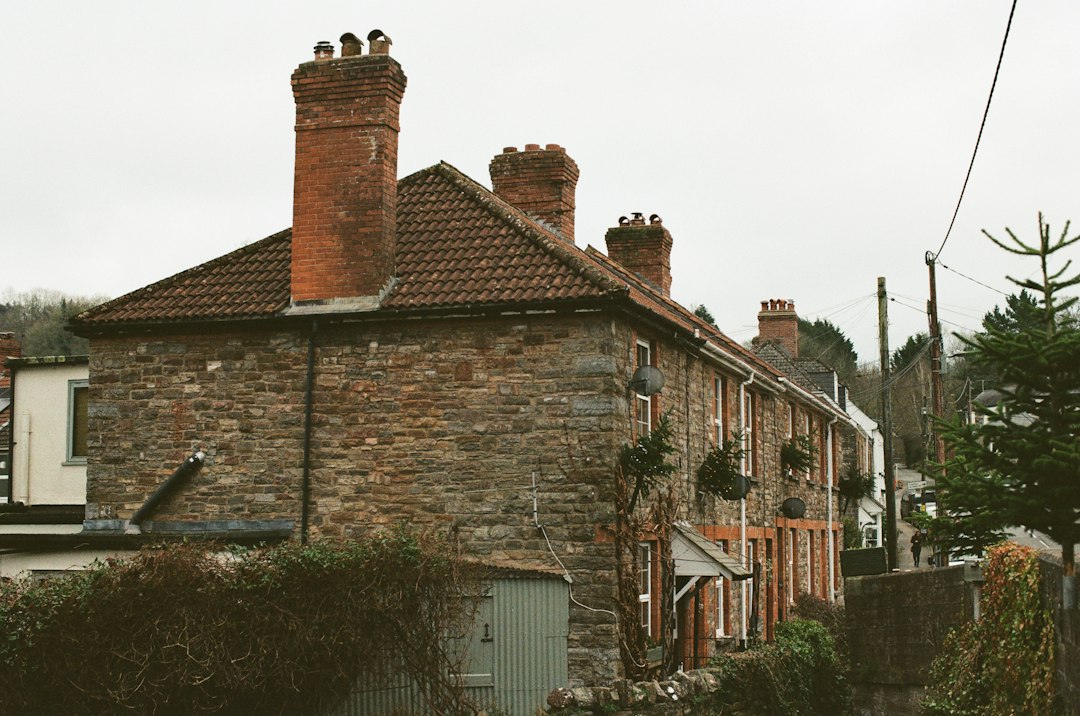
A New Flue Inside the Old One, Fitted in Summer
Plan Your Chimney Liner Installation
Tell us the address, the fireplace type and roughly when you would like chimney liner installation done. We confirm a date in that window.
What This Booking Covers
A liner job usually follows a Level 2 that found cracked tiles, or comes with a new insert or stove. Summer is the easy time for it. We size the stainless liner to the appliance, run it the full height of the chimney, connect it at the bottom and finish with a cap at the top. The price is written after we have measured the flue, and the report shows the job from start to finish.
When a Chimney Needs a New Liner
Most masonry chimneys in El Monte and the foothill towns were built with clay flue tile inside the brick. It does a good job for decades, but it cracks. Quakes are the usual cause here, and a Level 2 camera inspection in a house that has been through 1987, 1991 and 1994 often finds tiles that split, shifted or lost the mortar between them. A chimney fire can crack tiles in a single evening. So can years of heat and cold. Once the tile is cracked, heat and smoke can reach the brick and the wood around the chimney, and gas exhaust can leak into the house. The other reason for a liner is a change at the hearth. Swap the open fire for an insert or a stove of any fuel and the flue has to match the new outlet, and an old fireplace flue is usually far too big, so the exhaust cools, condenses and drips.
A stainless steel liner solves both problems. It is a flexible or rigid tube, sized to the appliance or to the fireplace, run down from the roof through the existing flue and connected at the bottom. Around it we fit insulation where the job calls for it, which keeps the exhaust warm so it draws and stops creosote and condensation forming. Up on the crown, the gap around the new tube is closed off and a cap goes over it, so nothing that falls or crawls can get down beside it. Before any of that, a camera inspection confirms what the old flue looks like and how it bends, since a liner has to pass every offset. The quote is in writing and names the tube, its diameter, whether it is wrapped, the parts at each end, and any work needed to open the throat of the fireplace.
Timing a Liner Around an Insert, a Sale or a Report
A liner is rarely a job by itself, and the calendar usually comes from something else. If you are installing an insert or a stove, plan the liner with it, since both go in together and the order has to be right. We suggest choosing the appliance in early summer, inspecting the flue in the same weeks, and installing both in July or August so the first fire is in October. If a Level 2 inspection for a sale turns up cracked tile, the liner becomes part of the escrow conversation, and the sooner the quote is in hand the more room buyer and seller have to settle it. If a chimney fire or a quake cracked the flue, the fireplace should stay unused until the liner goes in, which is another reason not to leave the inspection until December.
Liners are also the fix for a few problems people do not connect with the flue. A gas fireplace or furnace that leaves white crust or water stains at the bottom of the chimney is often venting into a flue too large and too cold for it. A fireplace in West Covina or Monrovia that smokes no matter how clean it is may have a flue so damaged the draft cannot build. Some very old chimneys were built with no tile at all, just bare brick inside, and that is not a flue we would light a fire under. In each case, the camera shows what is going on, and the quote shows what a liner would cost and what it would change. If the fireplace is part of a required repair list, the up-to-code page explains how we document the work.
The Hackett Chimney Contractors Way of Booking
Timed to the Season
Each job goes in the month that suits the weather and your use
Covered Floors
Drop cloths from the door to the hearth on every visit
Price on Paper
Every figure is written down before anything is booked
Next Visit Noted
The report ends with the month we suggest coming back
Where we book chimney liner installation
Our four core cities carry their own page for this service, covering the homes, the weather and the months that suit the work there.
This one is booked from the main service page. The city list shows every place we cover.
More Services
Chimney Sweep
A yearly flue cleaning, ideally booked in late summer, that removes last winter's soot and creosote before the first fire of fall.
When to book it →Chimney Inspection
A seasonal check of the flue, damper, crown and cap before the burn months, so any repair is planned rather than rushed.
When to book it →Chimney Repair
Repairs to brick, mortar, crown and flue, scheduled for the dry months so the work cures before rain and fires return.
When to book it →Fireplace Inspection
After the summer break we check the hearth, the damper and the firebox walls, so rust and cracked brick turn up before the first fire.
When to book it →Fireplace Repair
Firebox, damper and hearth repairs planned in the weeks before the holidays, when most households want the fireplace working.
When to book it →Chimney Level 2 Inspection
A video scan of the whole flue plus attic and roof checks, booked for a sale, a quake, a chimney fire or a new appliance.
When to book it →Chimney Cap Installation
A cap and spark screen fitted before the rain and wind months, keeping water, animals and embers out of the flue.
When to book it →Chimney Flashing Repair
Resealing the roof-to-chimney joint in late summer, so the first heavy storm of the year finds nothing to leak through.
When to book it →Chimney Masonry Repair
Brick and mortar work booked between spring and early fall, out of the rain, so repairs cure fully before burn season.
When to book it →Chimney Rebuilds
Partial or full rebuilds planned in spring, with permits and dry weather on your side, so the chimney is ready by fall.
When to book it →Fireplace Cleaning
A firebox cleanout at the end of winter or the start of fall, clearing ash, soot and smell from the hearth.
When to book it →Gas Fireplace Cleaning
An early-fall cleaning for gas units that sat through summer, clearing dust from the burner and film from the glass.
When to book it →Gas Fireplace Repair
Diagnosing and fixing gas units before the first cold week, so parts have time to arrive while the fireplace is not needed.
When to book it →Fireplace Remodel
Surround, hearth and mantel projects started in spring, giving months for design and finish work before the fireplace is needed.
When to book it →Fireplace Inserts
An insert planned and fitted in summer, turning an open fireplace into a sealed heater before the cold months arrive.
When to book it →Pellet Stove Repair
Off-season repairs for pellet stoves after a winter of hard use, so the stove starts the next cold week without a fault.
When to book it →Wood Stove Repair
Spring and summer repairs for wood stoves, renewing seals and worn interior parts after a full season of loads.
When to book it →Gas Logs
A gas log set chosen and fitted in late summer, ready for the holidays when a fireplace sees the most use.
When to book it →Chimney Seismic Retrofit
Bracing or rebuilding a brick chimney so it is better able to ride out the next quake, planned for the dry months.
When to book it →Chimney Crown Repair
Sealing or recasting the cap of mortar on top of the chimney before winter rain gets into the brick below.
When to book it →Dryer Vent Cleaning
A yearly cleanout of the dryer duct, from the machine to the outside hood, that clears lint and shortens drying times.
When to book it →Chimney Leak Repair
Finding and fixing the source of water at the chimney, ideally in the dry months before the next storm proves it.
When to book it →Chimney Waterproofing
A breathable water repellent applied to sound brick in dry weather, cutting the water the chimney soaks up each winter.
When to book it →Chimney Damper Repair
Fixing or replacing a damper before the season so it opens fully for a fire and seals tight through summer.
When to book it →Chimney Chase Cover
Replacing the rusted pan on top of a framed chimney before winter, so water stops running into the chase.
When to book it →